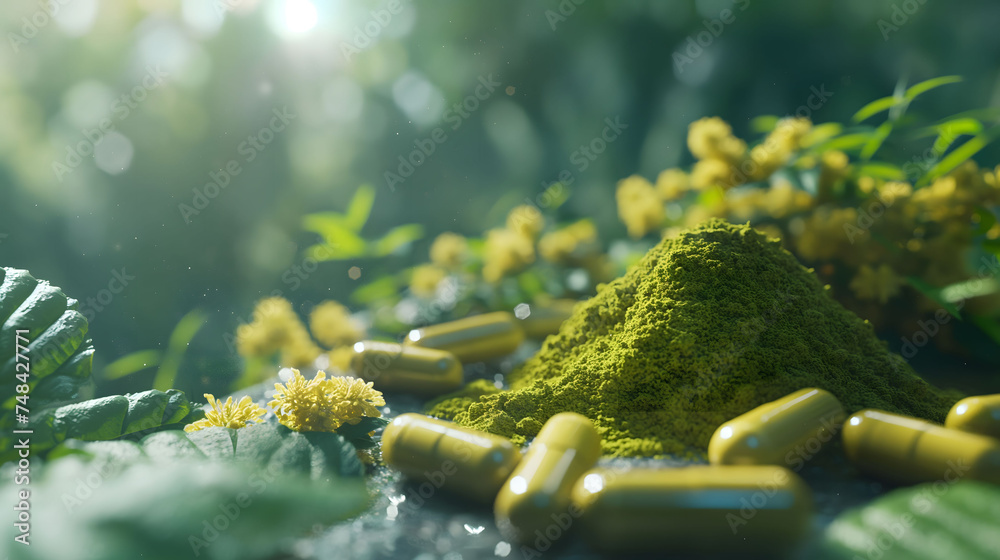
For centuries, the indigenous people of Southeast Asia have utilized the leaves of the Kratom tree for various wellness purposes. Belonging to the coffee family (Rubiaceae), this plant is traditionally found in Thailand, Malaysia, Indonesia, and Papua New Guinea.
Although it has ancient roots, modern science is just beginning to understand the complex alkaloids that make this plant so unique. The two primary active compounds, mitragynine and 7-hydroxymitragynine, interact with the body's receptors to produce distinct effects.
The Three Main Types of Kratom Explained
If you are new to the world of speciosa, you might be overwhelmed by the choices between red, green, and white strains. Each color represents a different maturity level and drying process, leading to a unique alkaloid profile.
1. Red Vein Kratom
Red vein leaves are the most mature and are widely known for their calming properties. They are often used in the evening to promote restful sleep and alleviate physical discomfort.
White Vein for Focus and Energy
For those who need a morning pick-me-up or extra focus during work, white vein is the ideal candidate. Many users substitute their morning caffeine with a white strain to start the day with clarity and drive.
Green Vein: The Best of Both Worlds
If you can't decide between energy and relaxation, green vein strains offer a perfect middle ground. They are excellent for social anxiety, mood boosting, and general daily wellness.
Finding Your "Sweet Spot": Kratom Dosage Tips
The "Golden Rule" of Kratom is simple: Less is more. For most people, a starting amount of 2 grams is perfect to gauge sensitivity.
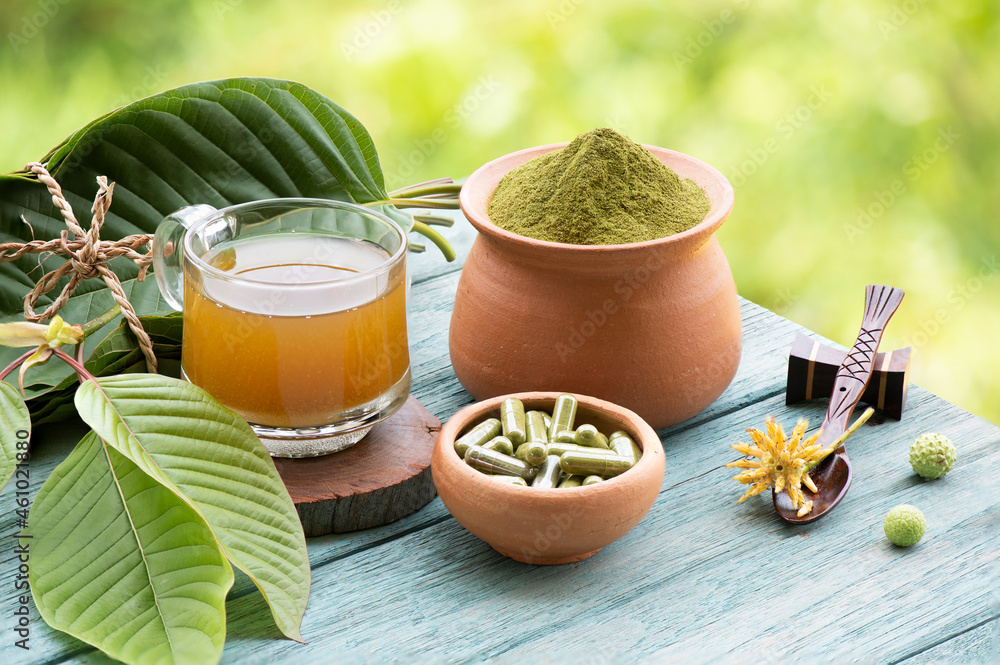
Side effects like headaches or nausea are often just signs of dehydration, so keep your water intake high. Safety starts with the source; never buy gas station kratom that hasn't been tested for heavy metals or contaminants.
Whether you are seeking relief, energy, or balance, there is likely a strain that fits your needs perfectly. Stay informed, stay hydrated, and always listen to your body.
here